


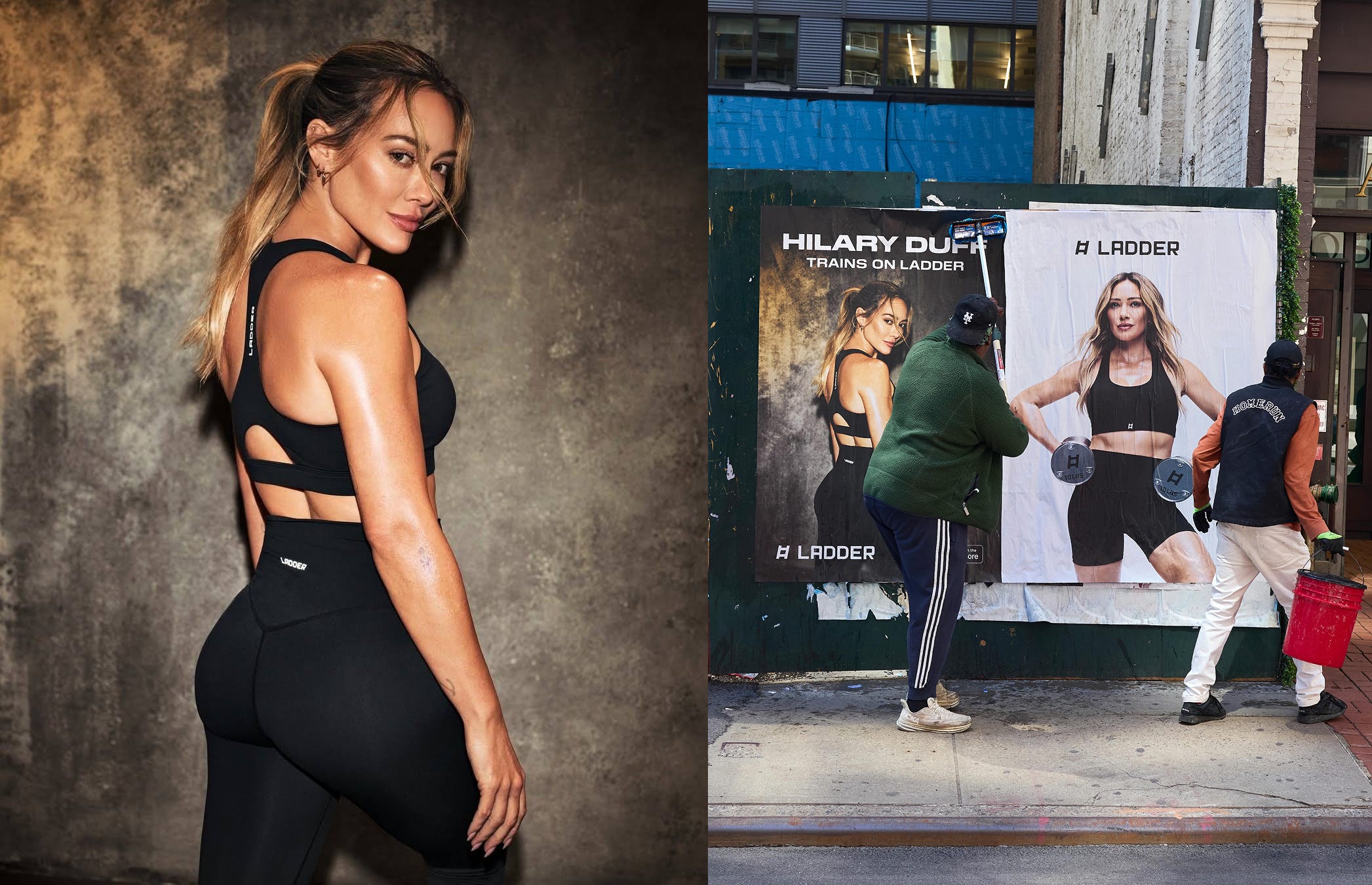
Somewhere between the rise of GLP1 before-and-afters and the return of indie sleaze ‘heroin-chic’, a strength-training app convinced the internet that 2026 was actually Strong Girl Summer. That app is Ladder, and through the help of cultural icon Hilary Duff, the face of their campaign, those three words, ’Stronger, Not Smaller’, managed to become a mission statement embraced by women around the world.
Your favorite talking heads clapped for Ladder when they landed our beloved Y2K pop star, but what we find most interesting, actually, is what it took to make a celebrity deal–one of the least reliable plays in marketing–hit fitness and wellness culture in a huge way, instead of fumbling the bag like we’ve seen many industry giants do with their A-list signings (*cough* Nike and Caitlin Clark *cough.*)
A problem money can’t fix
Ladder didn't need a celebrity to grow, it simply needed to be known. If you haven’t been following Ladder’s meteoric rise, the brand had already won the hard way through coach-owned organic Tiktok. The issue they ran into, however, was that you could walk into a gym and ask a fitness girly or guy about Ladder and they’ve never heard of it.
Enter Hilary. Now, Ladder knew that in the middle of a nostalgia bull-market, Hilary’s new record would land perfectly with their target market. While the Ladder team had every “Hilary Buff” and Lizzie McGuire pun teed up, they were all rejected and where they landed was on a campaign that centered the reality of who Hilary–and her fans–is in her present life: a busy mom who lifts.
Sprinkle on the luck
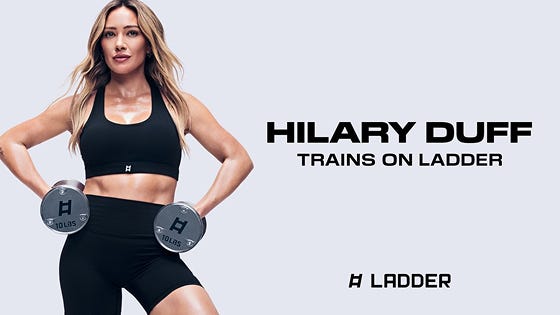
The initial campaign was built around the simple statement, “Hilary Duff trains on Ladder.” The goal was awareness, not a message.
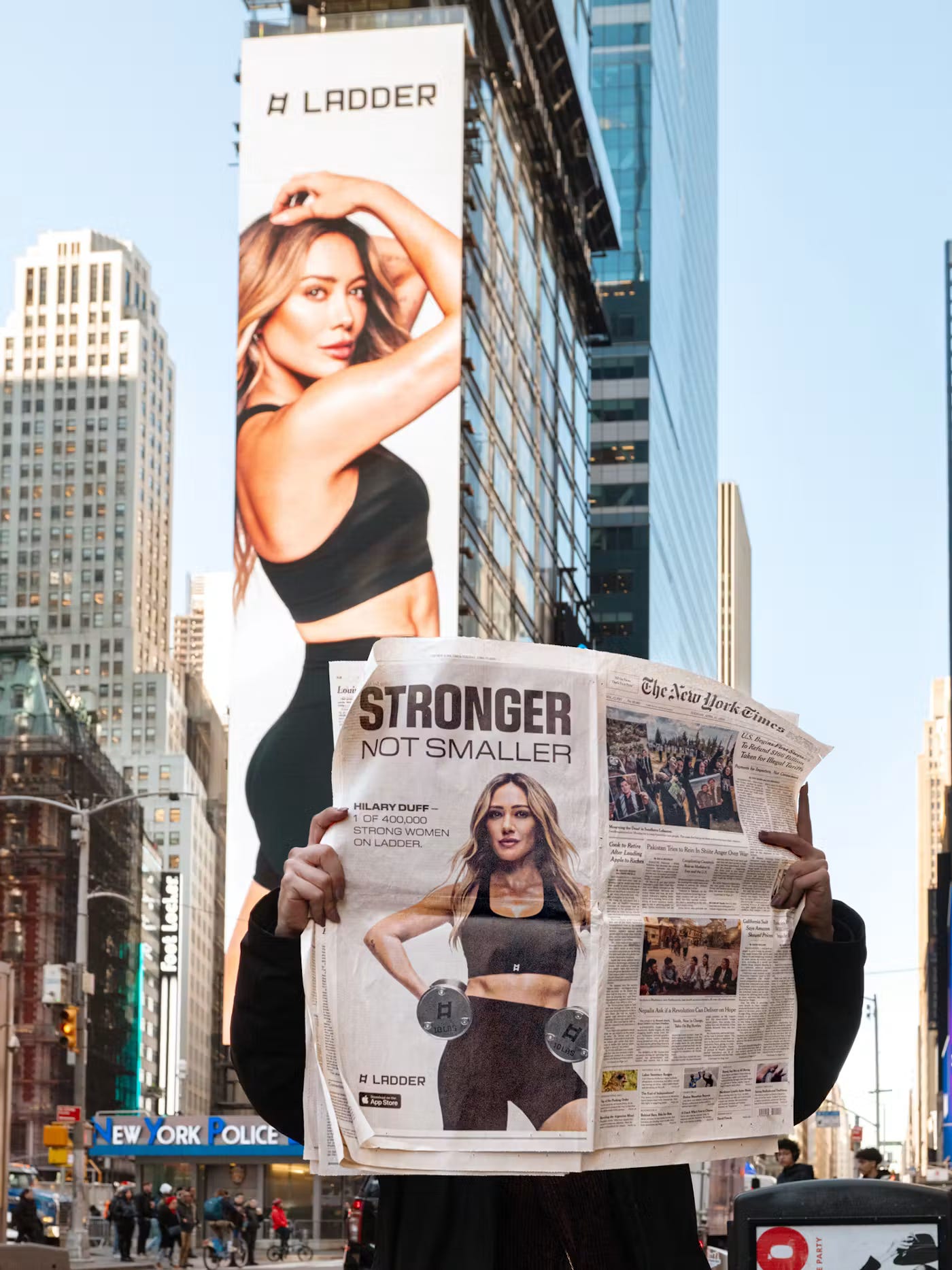
Now, on launch day, Ladder bought the full back page of the New York Times. Here, Ladder’s Head of Brand & Creative Philip Edsel felt that particular placement called for a sharper point of view because it reaches a different audience.
So they wrote a punchier line for that page. He described it as “not necessarily controversial,” but a clear stance that some people would react to. That line was “Stronger Not Smaller.”
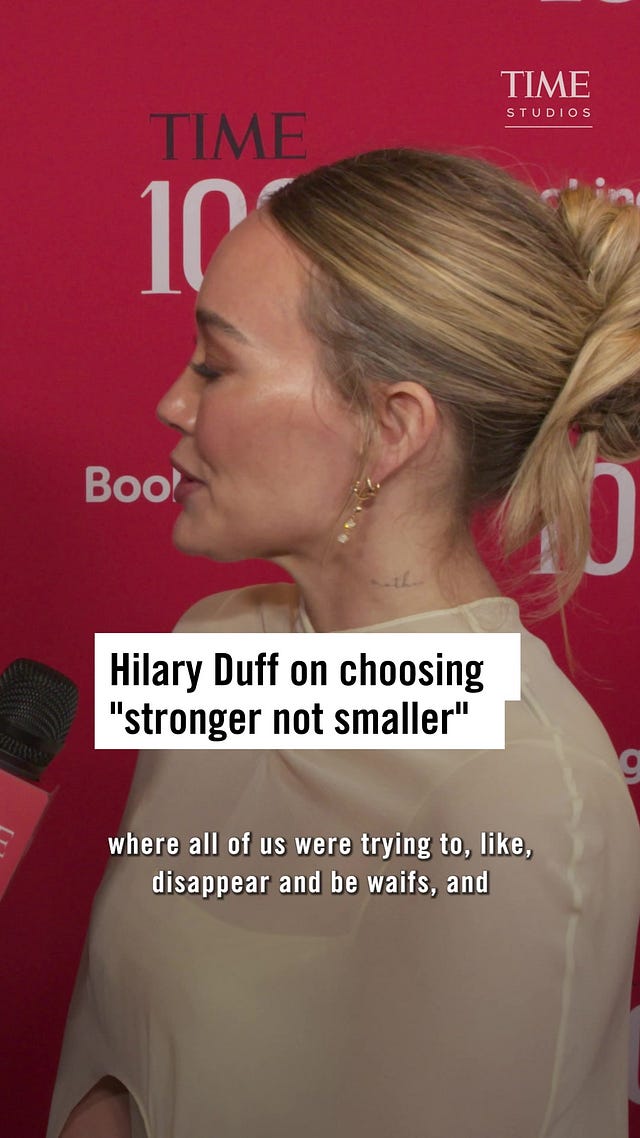
The day the campaign went live, a Time 100 red-carpet reporter, who happened to be a Ladder member, asked Duff about the campaign. Her answer went nuclear across ESPN, BuzzFeed, and every women's vertical (although the Ladder mention was neatly clipped out). We’re talking zero paid spend with unbelievable visibility for the campaign.
 Tiktok failed to load.
Enable 3rd party cookies or use another browser
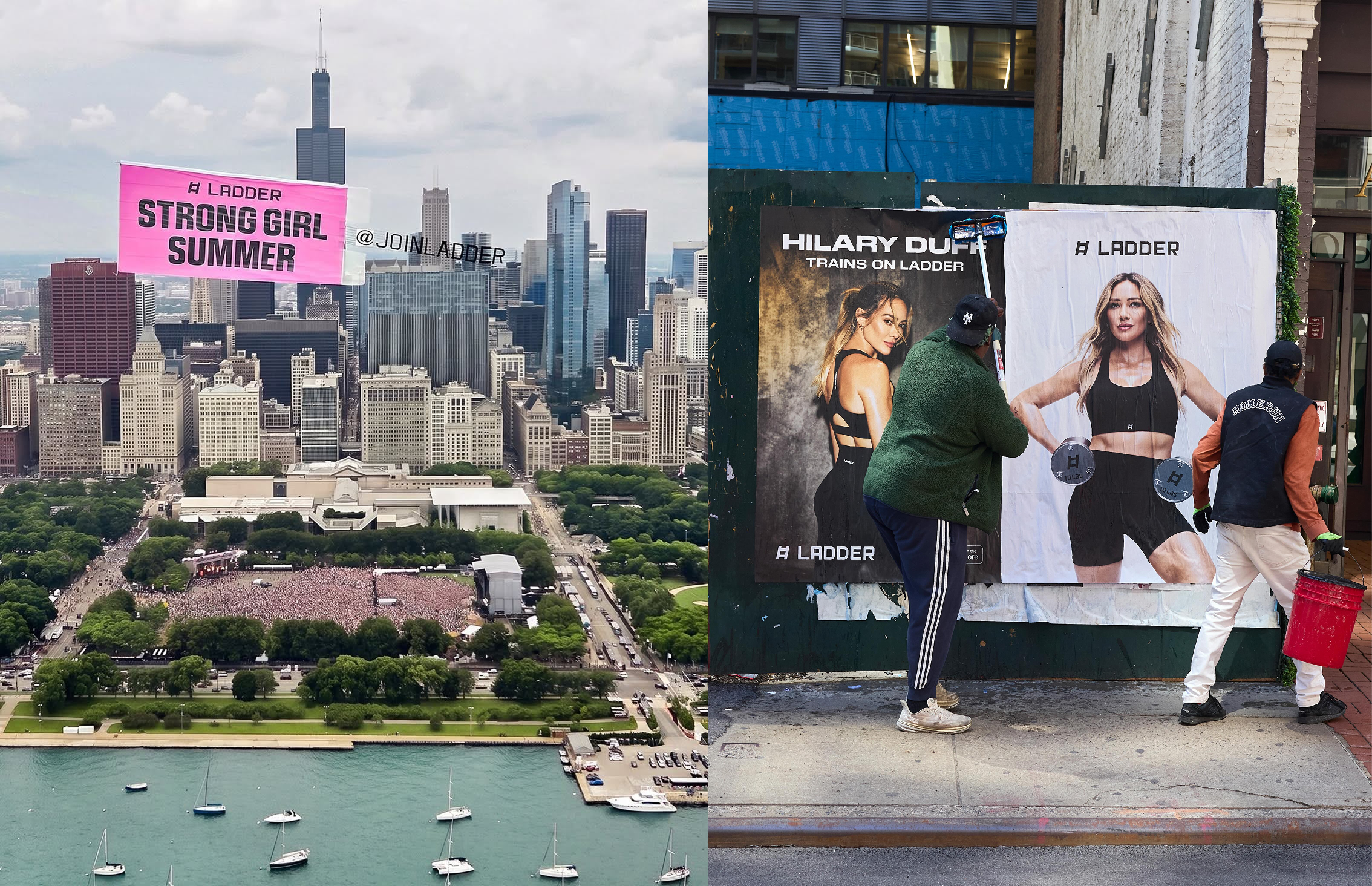
People call that luck, but it was a healthy mix of luck and engineered virality by making the message bigger than your celebrity endorsement and then making sure it lives everywhere: the back page of the New York Times, TV, and stapled around town at every tour stop. It didn’t matter Ladder’s mention was clipped out of the red carpet interview, or that their logo wasn’t seen on every piece of cultural discourse–what mattered was that the brand was tied to a campaign that grew larger than life.
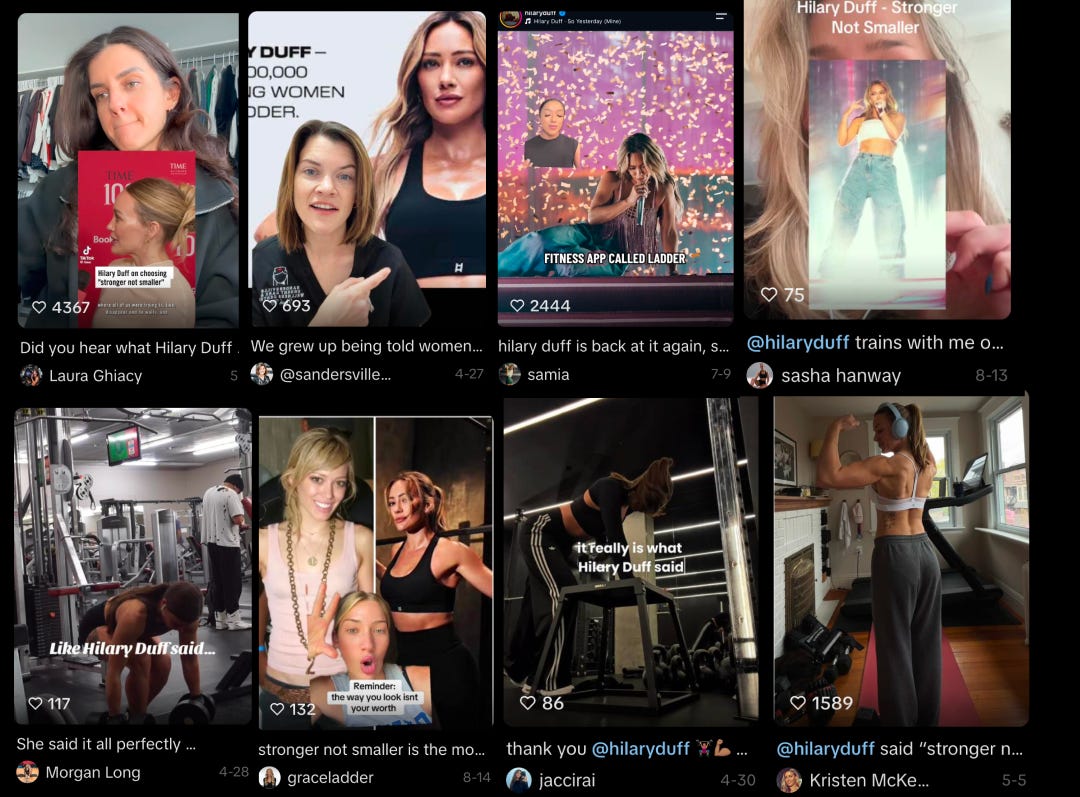
Stronger, Not Smaller took off like wildfire precisely because it wasn’t just about Hilary. It was a position, one you could co-sign, argue with, or stitch, and so it became a format other people made content inside of and about.
The thing about “luck” in marketing and advertising is that you have to be ready to capitalize on it.
Capitalizing on cultural momentum
Now the key here, when a campaign grows beyond the brand, is to strategically capitalize on it and tie it back.
When Duff sold out MSG for two nights, Ladder took over marketing for the entire block with their slogan.
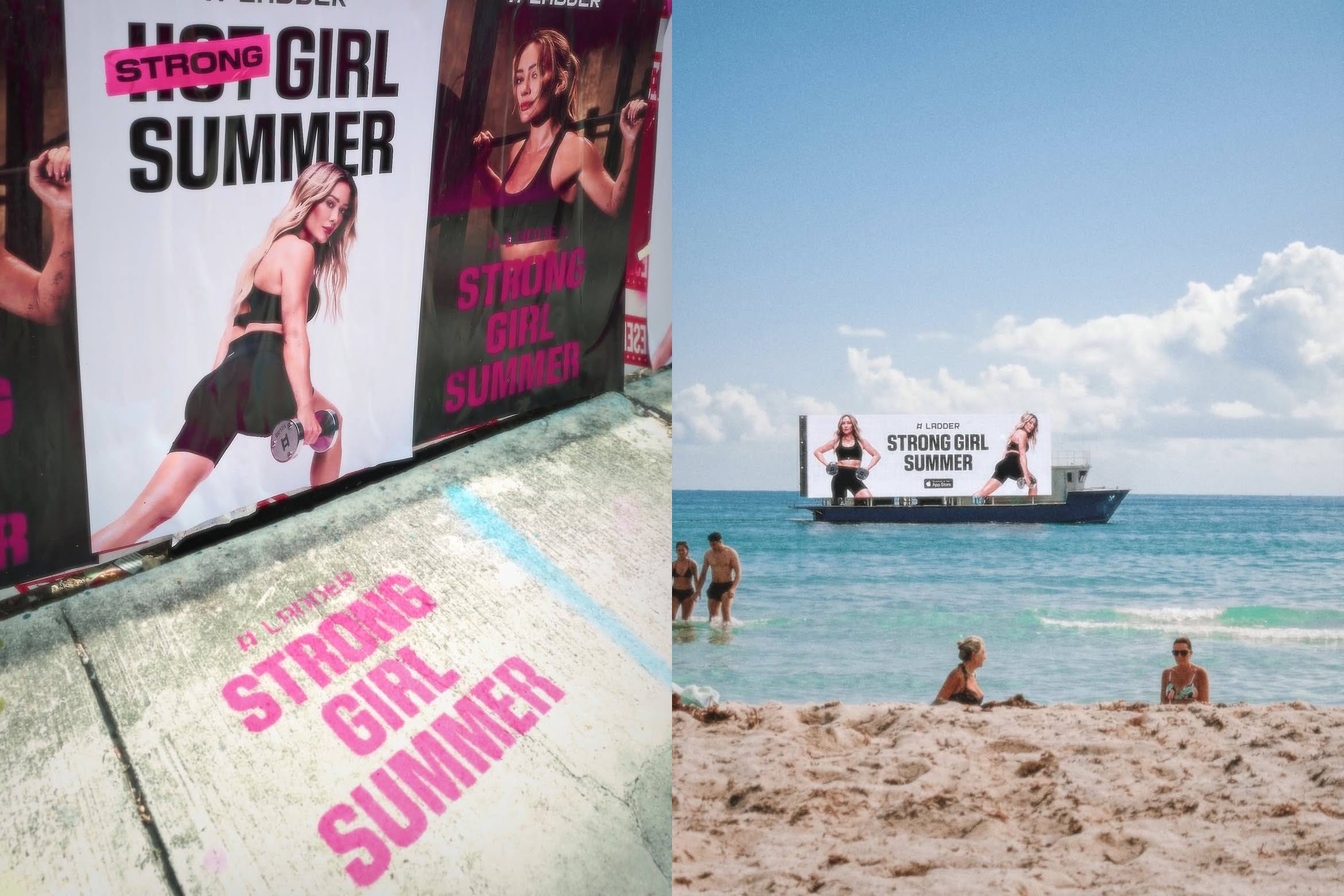
When the Ladder team found out about Hilary’s Sports Illustrated swimsuit cover, they headed to Miami Swim Week where they turned everything pink and named the activation Strong Girl Summer outright: bus-stop takeovers, LED boats down South Beach, and a pink Escalade with the original Cash Cab host quizzing passengers on progressive overload and fitness basics.
And listen, the receipts spoke for themselves in the organic posts that followed. iPhone videos captioned “fine, I’ll sign up for Ladder,” and comment sections stacked with women confirming they actually did.
The secret sauce
Here’s the thing, Ladder never once said they were “anti-GLP1.” In a cultural discourse where women on Ozempic get roasted for how they lost it and women who aren’t get told they should, Ladder planted a flag on don’t shrink yourself and let the audience assign the rest of the meaning.
It didn’t hurt, of course, that Duff then landed one of four 2026 Sports Illustrated Swimsuit covers, and went on a massive press tour appearing in the likes of Call Her Daddy and Glamour.
And that’s the thesis: culture was already turning, and Ladder was the brand fluent enough to hand it a caption. The thing about “luck” in marketing and advertising is that you have to be ready to capitalize on it. What Ladder teaches us is that “being ready” is to stay tuned into culture, deeply understand your market, and double and triple down when you strike gold.
Ok, but what’s your take?
We’re also curious as to if you’d see the same momentum and success if this campaign was run by a much larger brand. Ladder’s team is small and scrappy (relatively speaking)–they were able to make quick decisions to capitalize on the unexpected. In a world where culture and sentiment move at literal lightspeed, will we see marketing departments reassemble to be smaller, more nimble, and able to operate with greater autonomy? I’d argue we already are.
We’ve got a deeper-dive into this campaign in an interview with Ladder’s Head of Brand, Philip Edsel that I cannot wait to share with you. Until then, we’d love to hear what your experience has been working and operating inside this new world so drop your experience and predictions in comments.
In good form,
Honestly, rejecting “Hilary Buff” may have saved the whole thing. The nostalgia was useful, but making the campaign about who she is now is definitely more real and relatable.